.png)
How to Improve Fuel Efficiency in Singapore (2026 Guide for Car Owners)


Fuel prices in Singapore have been rising, and for many drivers, that means paying closer attention to how much their car consumes on a daily basis. Whether it is the daily commute, school runs, or weekend drives, even small differences in fuel efficiency can add up significantly over time.
Most drivers assume that fuel consumption comes down to driving habits alone. How hard you accelerate, how often you brake, and how fast you cruise all play a role. However, these are only part of the equation.
In reality, fuel efficiency is influenced by a combination of driving behaviour, road conditions, and the condition of the vehicle itself. A car that is not properly maintained can quietly consume more fuel over time, even if your driving habits remain unchanged.
In this guide, we break down the key factors that affect fuel consumption in Singapore and share practical ways to improve fuel efficiency. The goal is simple. Help you get more out of every tank without compromising on performance.
Why Fuel Efficiency Matters More in Singapore

Fuel efficiency is important everywhere, but in Singapore, it carries even greater impact due to the way most cars are used on a daily basis.
Unlike countries with long highway drives, Singapore’s road conditions are largely defined by short distances, frequent stops, and urban traffic. Many drivers spend more time in stop-start conditions than cruising at a constant speed. This places additional strain on the engine and increases fuel consumption, especially during peak hours.
Short trips also play a role. When a car is driven over shorter distances, the engine often does not reach its optimal operating temperature. As a result, it burns fuel less efficiently compared to longer, steady drives.
On top of that, fuel prices in Singapore remain relatively high. Even small inefficiencies can translate into noticeable increases in monthly fuel expenses. Over time, this adds up more than most drivers realise.
Because of these factors, improving fuel efficiency is not just about saving fuel occasionally. It is about managing long-term ownership costs. Small improvements in efficiency, when applied consistently, can make a meaningful difference in how much you spend over the lifespan of your vehicle.
Common Reasons Your Car Is Using More Fuel Than It Should
Fuel consumption does not increase overnight without reason. In most cases, it is the result of small factors that build up over time. Some are related to driving habits, while others come from the condition of the vehicle itself.
Understanding these factors is the first step to improving fuel efficiency.
Driving Aggressively
Frequent hard acceleration and sudden braking cause the engine to work harder than necessary. Each time you accelerate aggressively, more fuel is injected to meet the demand for power. In urban driving conditions like Singapore, this can quickly lead to higher overall fuel consumption.
Under-Inflated Tyres

Tyres that are not properly inflated create more rolling resistance. This means the engine needs to use more energy to move the car forward. Even a slight drop in tyre pressure can have a noticeable impact on fuel efficiency over time.
Excessive Idling

Leaving the engine running while stationary consumes fuel without any distance covered. This often happens when waiting in car parks, picking up passengers, or sitting in traffic with the engine running longer than necessary. Over time, this contributes to unnecessary fuel usage.
Poor Route Planning
Frequent exposure to heavy traffic, stop-start conditions, and longer-than-necessary routes increases fuel consumption. Without planning, drivers may unknowingly take less efficient routes that require more braking and acceleration.
Using Lower Quality Fuel
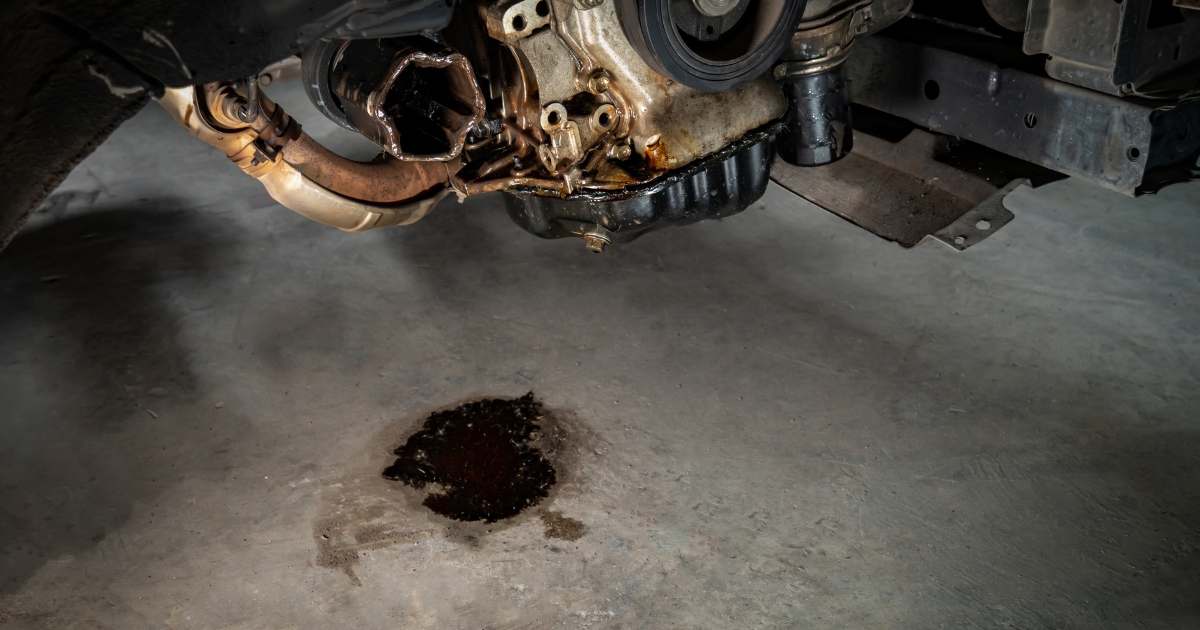
Fuel quality can affect how efficiently your engine performs. Lower quality fuel may not burn as cleanly or efficiently, which can impact overall fuel consumption and engine performance over time.
Lack of Proper Maintenance
This is one of the most overlooked factors. Dirty engine oil, clogged air filters, worn spark plugs, and other neglected components can reduce engine efficiency. When the engine is not operating at its optimal condition, it requires more fuel to produce the same level of performance.
By identifying these common causes, it becomes easier to take targeted steps towards improving fuel efficiency rather than relying on guesswork.
How Proper Servicing Improves Fuel Efficiency

When people think about fuel efficiency, car servicing in Singapore is often not the first thing that comes to mind. However, the condition of your car’s engine and supporting components plays a direct role in how efficiently fuel is used.
A well-maintained engine is able to burn fuel more effectively. This process, known as combustion, depends on the right balance of air, fuel, and spark. When any part of this system is not functioning properly, the engine compensates by using more fuel to deliver the same level of performance.
Engine oil is one of the key factors. Clean, high-quality engine oil reduces internal friction, allowing the engine to run smoothly with less resistance. Over time, old or degraded oil becomes less effective, forcing the engine to work harder and consume more fuel.
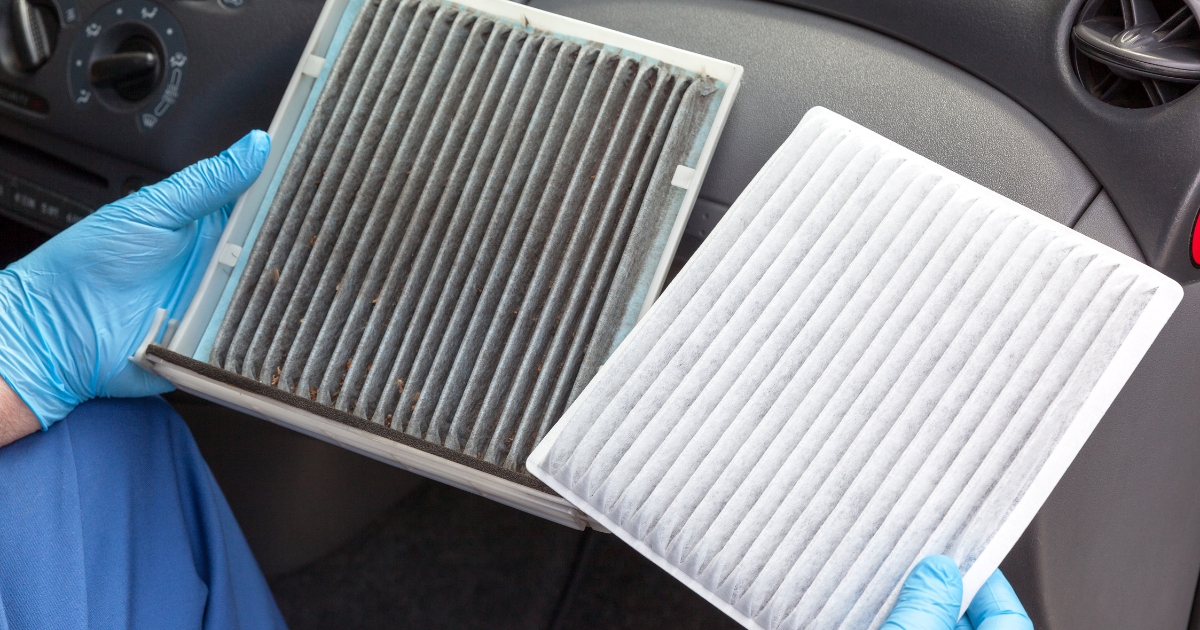
Air filters are another important component. A clogged or dirty air filter restricts airflow into the engine, which disrupts the combustion process. With less air available, the engine cannot burn fuel as efficiently, leading to increased consumption.
Spark plugs also play a role in fuel efficiency. Worn or faulty spark plugs can result in incomplete combustion, meaning some of the fuel is not fully utilised. This not only wastes fuel but can also affect engine performance over time.
Beyond individual components, proper servicing ensures that all systems are working together as they should. When everything is in optimal condition, the engine operates more efficiently, requiring less fuel to produce the same output.
On the other hand, inconsistent or poor-quality servicing can gradually reduce fuel efficiency without obvious warning signs. Many drivers only notice the impact when they find themselves refuelling more frequently than before.
This is why regular and proper servicing is not just about maintaining performance or preventing breakdowns. It also plays a key role in managing fuel consumption over the long term.
6 Practical Ways to Improve Fuel Efficiency

Accelerate Gently
Aggressive acceleration causes the engine to burn more fuel than necessary. By applying steady and gradual pressure on the accelerator, you allow the engine to operate more efficiently and reduce unnecessary fuel consumption, especially in Singapore’s stop-start traffic conditions.
Maintain Proper Tyre Pressure
Under-inflated tyres increase rolling resistance, which forces your engine to work harder and use more fuel. Regularly checking and maintaining the correct tyre pressure helps improve fuel efficiency while also ensuring better handling and safety on the road.
Reduce Unnecessary Idling
Leaving your engine running while stationary consumes fuel without moving the vehicle. Whether you are waiting in a car park or picking someone up, reducing unnecessary idling can make a noticeable difference over time, particularly for daily drivers.
Plan Your Routes
Frequent stop-start driving, congestion, and longer routes all contribute to higher fuel consumption. Planning your journeys ahead, whether it is avoiding peak hour traffic or choosing more efficient routes, can help reduce both travel time and fuel usage.
Choose Quality Fuel
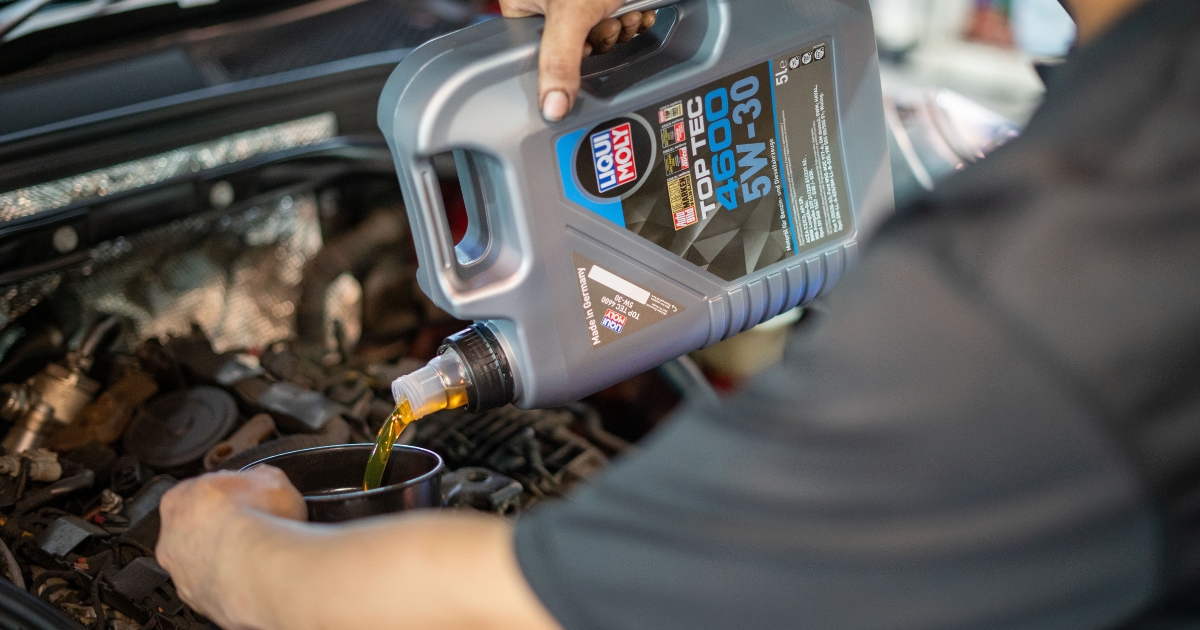
Not all fuel performs the same. Higher quality fuel can improve combustion efficiency and help your engine run smoother, especially over time. While the difference may not always be immediate, it contributes to better overall engine performance and efficiency.
Service Your Car Regularly and Properly
Regular servicing ensures that key components such as engine oil, air filters, and spark plugs are in optimal condition. A well-maintained engine runs more smoothly, reducing internal friction and improving fuel efficiency. Poor or inconsistent servicing, on the other hand, can gradually increase fuel consumption without obvious warning signs.
When to Check If Your Car Is Wasting Fuel
Fuel inefficiency does not always come with obvious warning signs. In many cases, the changes happen gradually, which makes them easy to overlook during daily driving.
However, there are a few common indicators that suggest your car may be using more fuel than it should.
You Find Yourself Refuelling More Often
If you notice that your fuel tank is running out faster than usual, even though your driving habits have not changed significantly, it could be a sign that your car is consuming more fuel than before. This is often one of the earliest and most noticeable indicators.
The Engine Feels Less Responsive
A car that feels sluggish during acceleration may not be operating efficiently. When the engine struggles to deliver power smoothly, it often compensates by using more fuel to maintain performance.
Your Engine Sounds Rough or Uneven
Unusual vibrations, rough idling, or inconsistent engine sounds can indicate underlying issues affecting combustion. When fuel is not burned efficiently, it not only impacts performance but also increases fuel consumption.
You Notice a Drop in Mileage Without Clear Reason
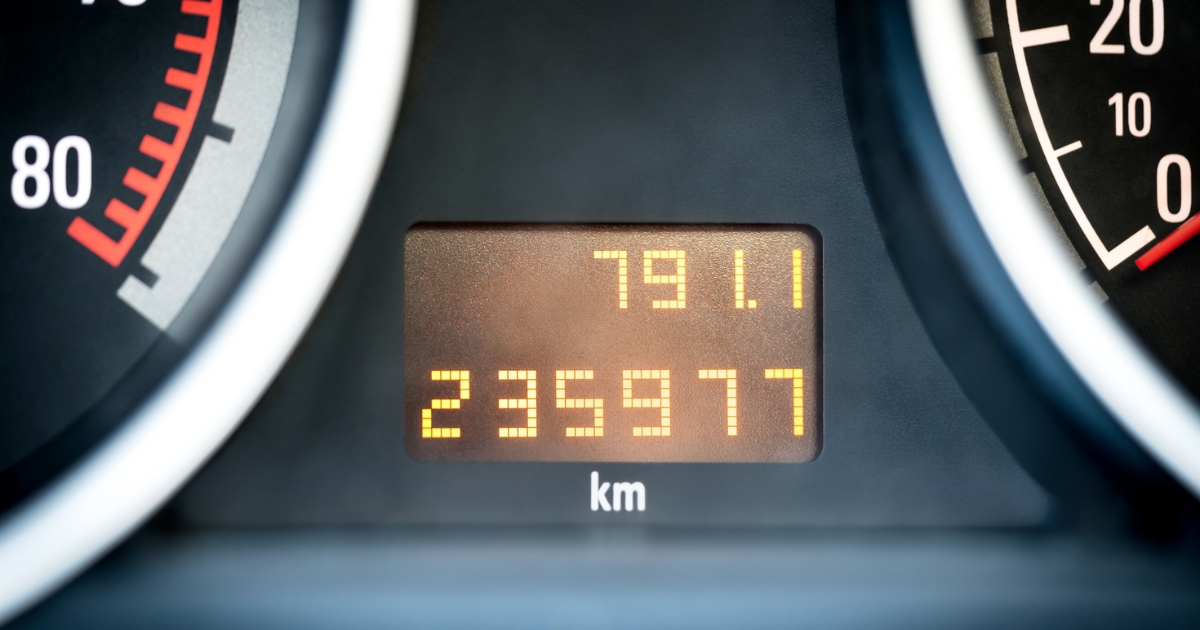
If your car’s fuel efficiency seems to decline over time without any obvious cause, it is often linked to wear and tear within the engine or supporting components. These changes are subtle but can significantly affect consumption over time.
Your Engine Oil Appears Dark or Dirty
Engine oil naturally darkens over time, but excessively dirty oil can reduce lubrication and increase internal friction. This forces the engine to work harder, which in turn leads to higher fuel usage.
Recognising these signs early allows you to address potential issues before they lead to more significant inefficiencies or long-term damage. In many cases, small checks and timely servicing can restore fuel efficiency more effectively than changing driving habits alone.
Improve Fuel Efficiency with Proper Car Servicing in Singapore

Fuel efficiency is often seen as a matter of driving habits, but as we have covered, it goes beyond how you drive. The condition of your car plays an equally important role in how much fuel it consumes over time.
Small factors such as engine oil quality, air intake, and component wear can gradually reduce efficiency without being immediately noticeable. Left unaddressed, these issues do not just increase fuel consumption. They also affect overall performance and long-term reliability.
Improving fuel efficiency is not about making one major change. It comes from maintaining the car as a complete system. When all components are working as they should, the engine runs smoother, uses fuel more effectively, and delivers more consistent performance.
For drivers in Singapore, where daily driving conditions involve frequent stops, shorter trips, and higher fuel costs, these small improvements can make a meaningful difference over time.
Understanding how fuel efficiency works is the first step. Acting on it through proper maintenance ensures that your car continues to perform the way it was designed to.
Frequently Asked Questions About Fuel Efficiency
What causes high fuel consumption in cars?
High fuel consumption is usually caused by a combination of aggressive driving, poor maintenance, under-inflated tyres, and inefficient engine performance.
Does car servicing improve fuel efficiency?
Yes. Proper servicing ensures that engine components such as oil, air filters, and spark plugs are in optimal condition, allowing the engine to use fuel more efficiently.
How much fuel can I save with proper maintenance?
While it varies by vehicle, proper maintenance can improve fuel efficiency by approximately 5 to 15 percent over time.
Why is my car using more fuel than before?
This is often due to gradual wear and tear, reduced engine efficiency, or changes in driving conditions that increase fuel consumption.