.png)
Should You Renew Your COE or Buy a New Car in Singapore? (2026 Guide)


Owning a car in Singapore has never been a small financial commitment. With COE premiums remaining high and the cost of new vehicles continuing to rise, many car owners are starting to ask an important question when their vehicle approaches the 10-year mark: Should you renew your COE or buy a new car?
Traditionally, many drivers would choose to scrap their car after 10 years and collect the Preferential Additional Registration Fee (PARF) rebate, using it to offset the cost of purchasing a new vehicle. However, market conditions have shifted significantly in recent years. The high price of new cars, combined with strong COE premiums, means that replacing a vehicle is often far more expensive than many drivers initially expect.
As a result, more Singapore drivers are now considering renewing their COE and continuing to drive their existing car, especially if the vehicle has been well maintained and remains mechanically reliable. Modern cars are also built to last longer than before, and with proper servicing and upkeep, many vehicles can continue running smoothly for many years beyond the initial COE period.
That said, renewing your COE is not always the right decision for every car owner. Factors such as the overall condition of the vehicle, potential repair costs, and long-term maintenance requirements should all be carefully considered before making a choice.
In this guide, we will explore the key differences between renewing your COE and purchasing a new car, the financial and practical factors you should evaluate, and how to determine whether your current vehicle is still worth keeping for the next phase of ownership.
Understanding COE Renewal and PARF Rebates in Singapore
Understanding COE Renewal and PARF Rebates in Singapore
Before deciding whether to renew your COE or purchase a new car, it is important to first understand how Singapore’s car ownership system works once a vehicle approaches the 10-year mark. Two key components that influence this decision are the Certificate of Entitlement (COE) and the Preferential Additional Registration Fee (PARF) rebate.
Both of these play a major role in determining whether keeping your existing vehicle is financially sensible.
What happens when your car reaches 10 years?

In Singapore, every car is registered with a 10-year Certificate of Entitlement (COE). Once the COE expires, car owners must decide what to do with their vehicle.
There are generally two options available:
1. Deregister the car
The vehicle is scrapped or exported, and the owner receives the PARF rebate and any remaining COE value.
2. Renew the COE
The owner pays the Prevailing Quota Premium (PQP) to extend the COE for another 5 or 10 years, allowing them to continue driving the same car.
This decision often depends on factors such as the car’s condition, maintenance history, and the cost of replacing the vehicle.
What is the PARF rebate?
The Preferential Additional Registration Fee (PARF) rebate is a rebate given to car owners when they deregister their vehicle before the COE expires or at the 10-year mark.
The rebate is calculated based on the Additional Registration Fee (ARF) originally paid when the car was first registered. The percentage returned depends on the age of the vehicle when it is deregistered.
For example, cars deregistered earlier within the 10-year period typically receive a higher rebate percentage, while cars scrapped closer to the 10-year mark receive less.
However, recent policy changes have reduced the maximum PARF rebate available to car owners. As reported by The Straits Times, the maximum rebate amount has been reduced, making it less attractive for some drivers to scrap their cars purely for the rebate. You can read more about the change in this report on the reduction of PARF rebates for deregistering cars.
Because of this shift, many car owners are now re-evaluating whether it makes more financial sense to replace their car or renew their COE and continue using their existing vehicle.
What is COE Renewal?
Instead of deregistering the vehicle, car owners can choose to renew their COE and continue driving their current car.
To renew the COE, the owner must pay the Prevailing Quota Premium (PQP), which is based on the average COE prices from the previous three months.
Drivers can renew their COE for:
- 5 years, which cannot be renewed again later
- 10 years, which allows the option to renew again in the future
For many drivers, COE renewal becomes an attractive option when their car is still in good mechanical condition and the cost of purchasing a new vehicle is significantly higher.
Understanding how these systems work provides the foundation for deciding whether it makes more sense to renew your COE or move on to a new car.
Why more Singapore Drivers are choosing to renew COE
In recent years, renewing COE has become an increasingly common choice among car owners in Singapore. While scrapping a vehicle and purchasing a new car used to be the typical route once a car approached the 10-year mark, rising car prices and changing market conditions have led many drivers to reconsider that approach.
Today, more motorists are choosing to extend the lifespan of their existing vehicles, especially when the car remains mechanically sound and has been well maintained over the years.
Several factors are contributing to this shift.
High Cost of buying a New Car

One of the biggest reasons drivers consider renewing their COE is the significant cost of replacing a vehicle in Singapore.
A new car purchase involves multiple expenses, including:
- COE premiums
- Additional Registration Fee (ARF)
- dealer margins and financing costs
- insurance and road tax
When these costs are combined, the total price of a new car can be substantially higher than many drivers expect. Even after factoring in the PARF rebate from deregistering an older vehicle, the remaining cost to purchase a replacement car can still be very significant.
Because of this, many car owners find that renewing COE may be financially more manageable than purchasing a brand-new vehicle.
Modern Cars can last much longer than before
Another important factor is the improved durability and reliability of modern vehicles.
With proper servicing and regular maintenance, many cars today are capable of operating reliably well beyond their initial 10-year COE period. It is not uncommon to see vehicles in Singapore continue running smoothly for 15 to 20 years, particularly when major components such as the engine, gearbox, and suspension are well maintained.
For drivers whose cars are still performing well, renewing COE allows them to continue using a familiar and reliable vehicle without the high cost of replacement.
Maintenance can be more cost-effective than replacement
For many drivers, the decision ultimately comes down to a simple comparison: the cost of maintaining the current car versus the cost of replacing it.
While older vehicles may require more maintenance over time, the overall cost of repairs and servicing can still be significantly lower than the depreciation associated with purchasing a new car.
Common maintenance items that may arise as cars age include:
- suspension components
- engine mounts
- air conditioning systems
- brake components
- wear-and-tear parts such as hoses and bushings
In many cases, addressing these issues through proper servicing and repairs allows the vehicle to remain reliable for many more years.
However, before deciding whether to renew COE, it is still important to carefully evaluate the overall condition of the car, which we will explore in the next section.
When renewing your COE makes financial sense
While renewing COE can be a practical choice for many drivers, it is not automatically the right decision for every vehicle. The key factor to consider is whether the car can remain reliable and cost-effective for the next 5 to 10 years after the renewal.
In general, renewing COE makes more financial sense when the car is still in good condition and the expected maintenance costs remain manageable compared to the cost of purchasing a new vehicle.
Below are some situations where renewing COE may be the more sensible option.
The Expected Repair Costs Are Still Reasonable
As cars age, some wear-and-tear components will eventually require replacement. However, the presence of these repairs does not necessarily mean the car should be scrapped.
Many common repairs are relatively predictable and manageable, such as:
- suspension parts
- engine mounts
- brake components
- air conditioning servicing
- worn rubber bushings
If the expected repair costs remain reasonable compared to the depreciation of buying a new car, renewing COE can still be financially worthwhile.
You plan to keep the car for several more years
COE renewal generally works best when the owner intends to keep the car for a longer period of time.
Drivers who renew their COE for 10 years often benefit the most if they plan to continue using the car for the long term, as the cost of renewal can be spread across many years of ownership.
On the other hand, renewing COE may not make as much sense if the owner intends to replace the vehicle within a short period of time.
Because every car is different, it is important to evaluate both the vehicle’s condition and the potential long-term maintenance requirements before making a decision.
When buying a new car may be the better option
While renewing COE can be a cost-effective option for many drivers, there are situations where replacing the vehicle with a newer car may be the more practical choice. The decision ultimately depends on the overall condition of the vehicle, the potential repair costs, and the owner’s long-term plans for the car.
If a vehicle is approaching the end of its lifespan or requires extensive repairs, the cost of keeping it on the road may outweigh the benefits of COE renewal.
Below are some situations where purchasing a newer vehicle may be the more sensible decision.
Major Mechanical Issues

One of the clearest signs that a car may not be worth renewing is the presence of major mechanical problems.
Examples may include:
- severe engine wear or engine failure
- major gearbox or transmission problems
- repeated overheating or cooling system failures
- significant oil leaks or internal engine damage
Repairs for these issues can be extremely costly, and in some cases the repair cost alone may approach a significant portion of the car’s value.
When major mechanical failures occur, replacing the vehicle may be the safer long-term decision.
Extensive Structural or Accident Damage
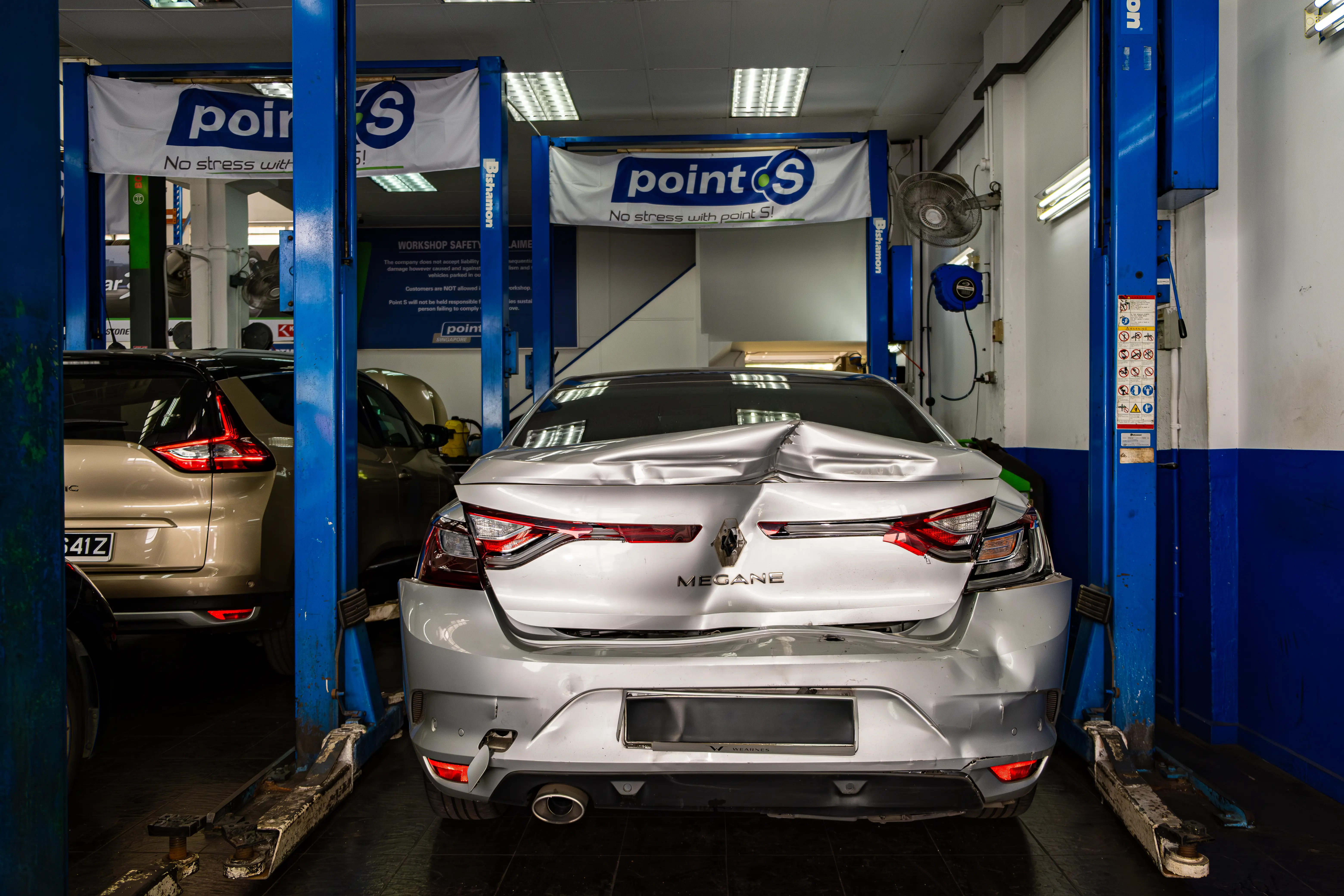
Another factor to consider is whether the car has suffered serious accident damage or structural issues.
Vehicles that have experienced major collisions may develop long-term problems such as:
- misaligned chassis
- uneven tyre wear
- suspension geometry issues
- compromised structural integrity
Even if the car appears repaired externally, these hidden issues can affect safety and long-term reliability. In such cases, renewing COE may not be advisable.
You want new technology and safety features
Some drivers may also prefer to upgrade to a newer vehicle in order to enjoy modern technology and safety improvements.
Newer cars often come with features such as:
- advanced driver assistance systems (ADAS)
- improved fuel efficiency or hybrid systems
- enhanced safety technology
- updated infotainment systems
For drivers who value these upgrades or want a completely new ownership experience, purchasing a newer car may still be the preferred choice.
Ultimately, the decision between renewing COE or replacing the vehicle should be based on both financial considerations and the car’s overall condition. In the next section, we will look at how drivers can properly evaluate their vehicle before deciding whether to renew COE.
How to evaluate your car before renewing COE
Before deciding whether to renew your COE, it is important to first evaluate the overall condition of your car. While some vehicles remain reliable well beyond the initial 10-year period, others may require significant repairs that could make renewal less practical.
Because of this, many drivers choose to have their car thoroughly inspected before committing to COE renewal. A proper assessment can help identify potential issues early and estimate the likely maintenance costs for the years ahead.
Below are some of the key areas that should be checked before making the decision.
Engine Condition
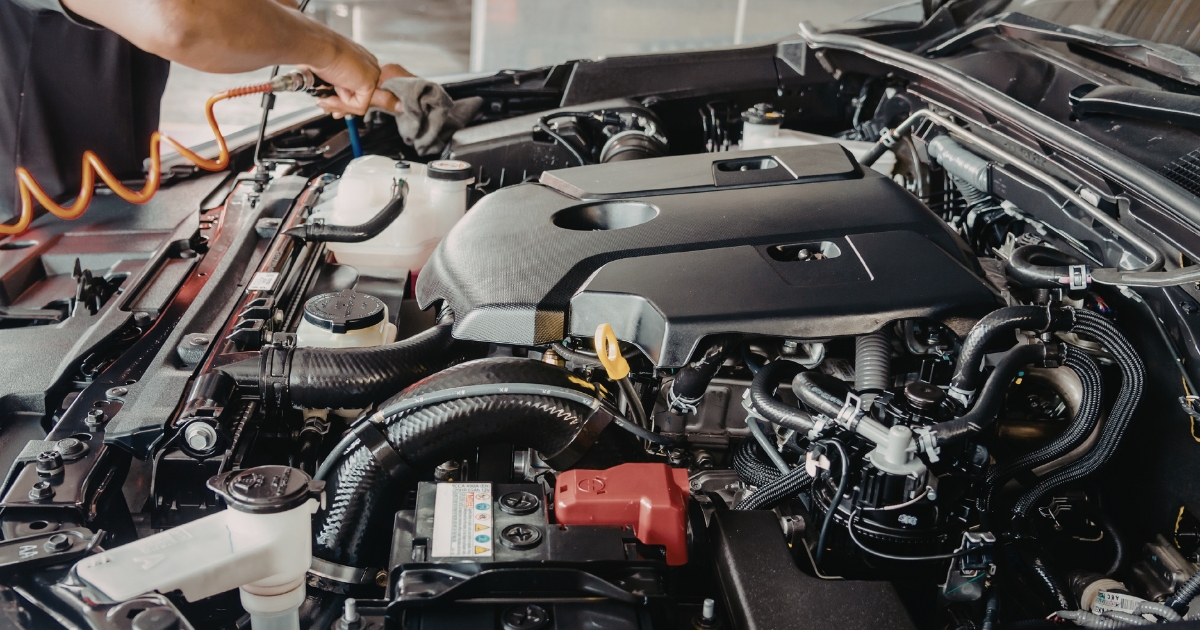
The engine is one of the most important components to evaluate. A well-maintained engine can continue running reliably for many years, but signs of serious wear should not be ignored.
Some warning signs may include:
- excessive oil consumption
- knocking or unusual engine noises
- frequent overheating
- loss of power or rough idling
A proper inspection can help determine whether the engine is still healthy or if major repairs may be required in the near future.
Gearbox and Transmission Health
The condition of the gearbox or transmission is another critical factor. Repairs for transmission-related issues can be expensive, so it is important to identify potential problems early.
Some signs that the transmission may require attention include:
- delayed gear shifts
- jerking during acceleration
- slipping gears
- unusual noises when changing gears
If the transmission remains smooth and responsive, the vehicle may still be suitable for long-term use.
Suspension and Undercarriage components

As cars age, suspension parts and undercarriage components naturally wear out due to regular driving conditions.
Common components that may require inspection include:
- shock absorbers
- suspension arms and bushings
- engine mounts
- wheel bearings
These parts are considered wear-and-tear items and may need replacement over time. However, replacing them is often still far less expensive than purchasing a new car.
Electronics and Sensors
.webp)
Modern vehicles rely heavily on electronic systems and sensors. As the car ages, some electronic components may begin to fail.
Examples include:
- sensors and warning systems
- electrical wiring
- infotainment systems
- onboard control modules
While these issues are usually manageable, it is still useful to assess the condition of these systems when deciding whether to keep the car.
Overall Maintenance History
Finally, the car’s maintenance history plays a significant role in determining whether COE renewal is worthwhile.
Vehicles that have been regularly serviced and properly maintained tend to remain reliable for much longer. On the other hand, cars that have been neglected may develop multiple issues at the same time once they reach the 10-year mark.
For this reason, many drivers choose to consult an experienced workshop to assess the vehicle’s condition and estimate the likely repair and maintenance costs before deciding whether to renew their COE.
In the next section, we will look at the typical refurbishment or maintenance work that drivers may consider after renewing their COE.
Common Refurbishment Work After COE Renewal
When drivers decide to renew their COE, it is quite common to carry out certain refurbishment or maintenance work at the same time. The goal is to ensure the vehicle remains reliable and comfortable to drive for the next 5 to 10 years. Addressing wear-and-tear components early can help prevent larger mechanical issues later on.
Depending on the car’s condition, this may include refreshing suspension components, replacing worn brake parts, servicing the air conditioning system, or restoring cosmetic elements such as paintwork. These improvements can help extend the vehicle’s lifespan and allow owners to continue driving their existing car with greater confidence after renewing COE.
Cost Comparison: Renew COE vs Buy a New Car
One of the biggest factors drivers consider when deciding whether to renew their COE or purchase a new car is the overall cost involved. While renewing COE requires an upfront payment based on the Prevailing Quota Premium (PQP), buying a new vehicle typically involves a much larger financial commitment.
Apart from the COE itself, purchasing a new car also includes additional costs such as the Additional Registration Fee (ARF), dealer margins, financing interest, insurance, and higher depreciation. As a result, many drivers find that renewing COE can be significantly more affordable if their existing car remains in good condition.
The table below provides a simplified comparison between the two options.
For many drivers, the decision ultimately comes down to whether the expected maintenance costs of keeping the current car are still lower than the cost of replacing it. If the vehicle remains mechanically sound and the repair costs are manageable, renewing COE may offer better value over the long term.
However, if the car requires major repairs or has underlying structural issues, replacing it with a newer vehicle may be the safer financial choice. In the next section, we will look at how an experienced workshop can help drivers properly assess their car before making this decision.
How an experienced workshop can help you make the right decision
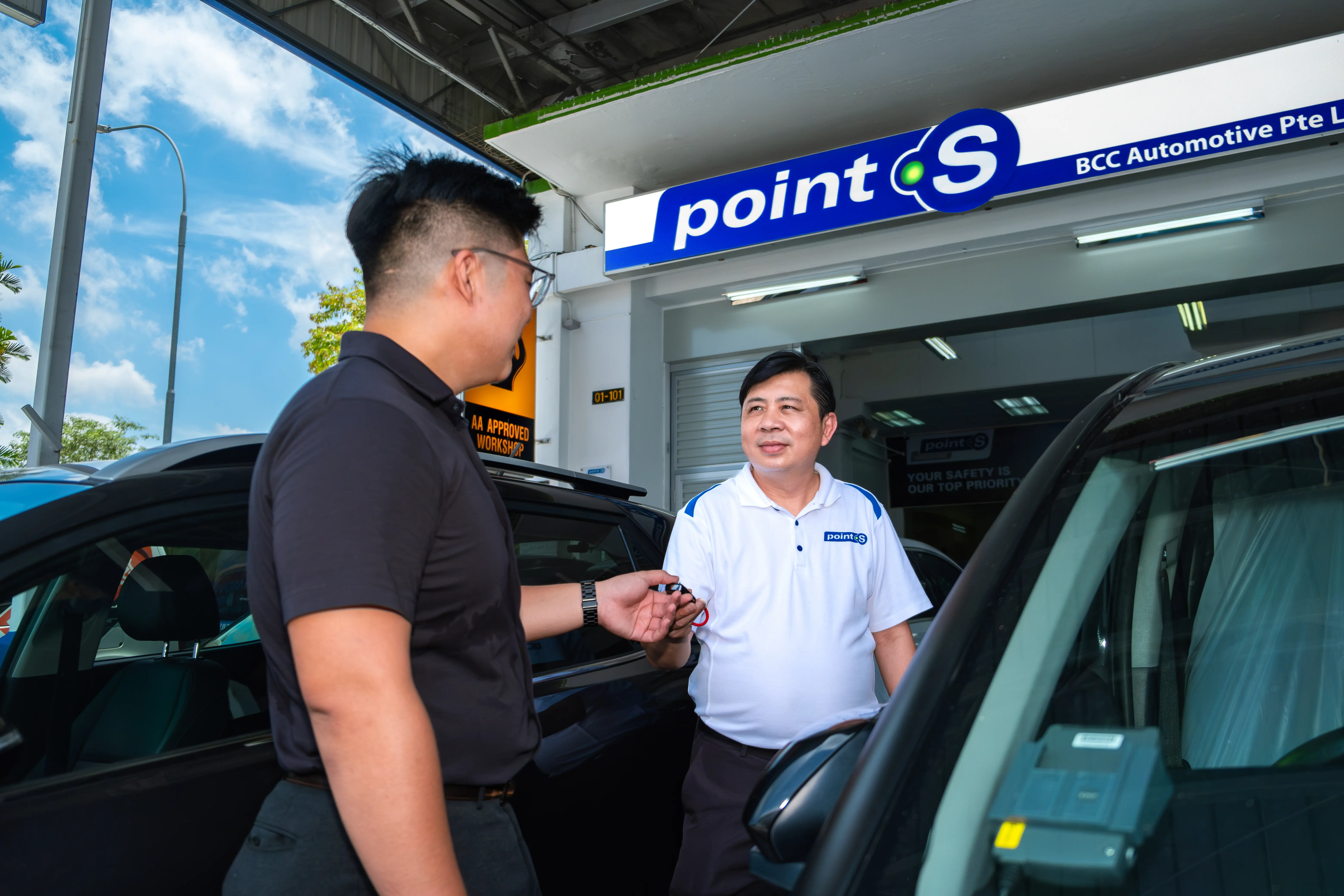
Deciding whether to renew your COE or replace your vehicle is not always straightforward. While financial considerations play a role, the actual condition of the car is often the most important factor in determining whether it is worth keeping for the next 5 to 10 years.
Because of this, many drivers choose to have their car professionally assessed by an experienced workshop before making the final decision. A thorough inspection can help identify potential mechanical issues, estimate future repair costs, and determine whether the vehicle is still suitable for long-term use.
By evaluating key components such as the engine, gearbox, suspension, and overall structural condition, an experienced workshop can provide practical advice on whether renewing the COE makes financial and mechanical sense. This helps drivers make a more informed decision and avoid unexpected repair costs after committing to COE renewal.
For drivers who decide to keep their car, BCC Automotive can also recommend the necessary maintenance or refurbishment work to ensure the vehicle remains reliable for the years ahead. This approach allows owners to continue driving their existing vehicle with greater confidence after renewing COE.
Get expert advice before renewing your COE in Singapore

For many car owners in Singapore, deciding whether to renew COE or purchase a new car ultimately comes down to two key factors: the condition of the vehicle and the long-term cost of ownership. While renewing COE can often be the more economical option, it only makes sense if the car remains mechanically reliable and the expected maintenance costs are still manageable.
Before making a decision, it is always advisable to have your vehicle properly inspected by an experienced workshop. A professional assessment can help identify potential issues, estimate future repair costs, and determine whether the car is suitable to continue driving for the next phase of ownership.
At BCC Automotive, our team regularly helps drivers evaluate their vehicles before deciding whether to renew their COE or move on to a replacement car. By assessing key components such as the engine, gearbox, suspension, and overall vehicle condition, we can provide practical advice to help you make an informed decision.
If you're unsure whether your car is worth renewing, consulting an experienced workshop can give you the clarity needed before committing to the next stage of car ownership.