.png)
Car Battery Replacement in Singapore: Signs, Costs, and What Actually Shortens Battery Life

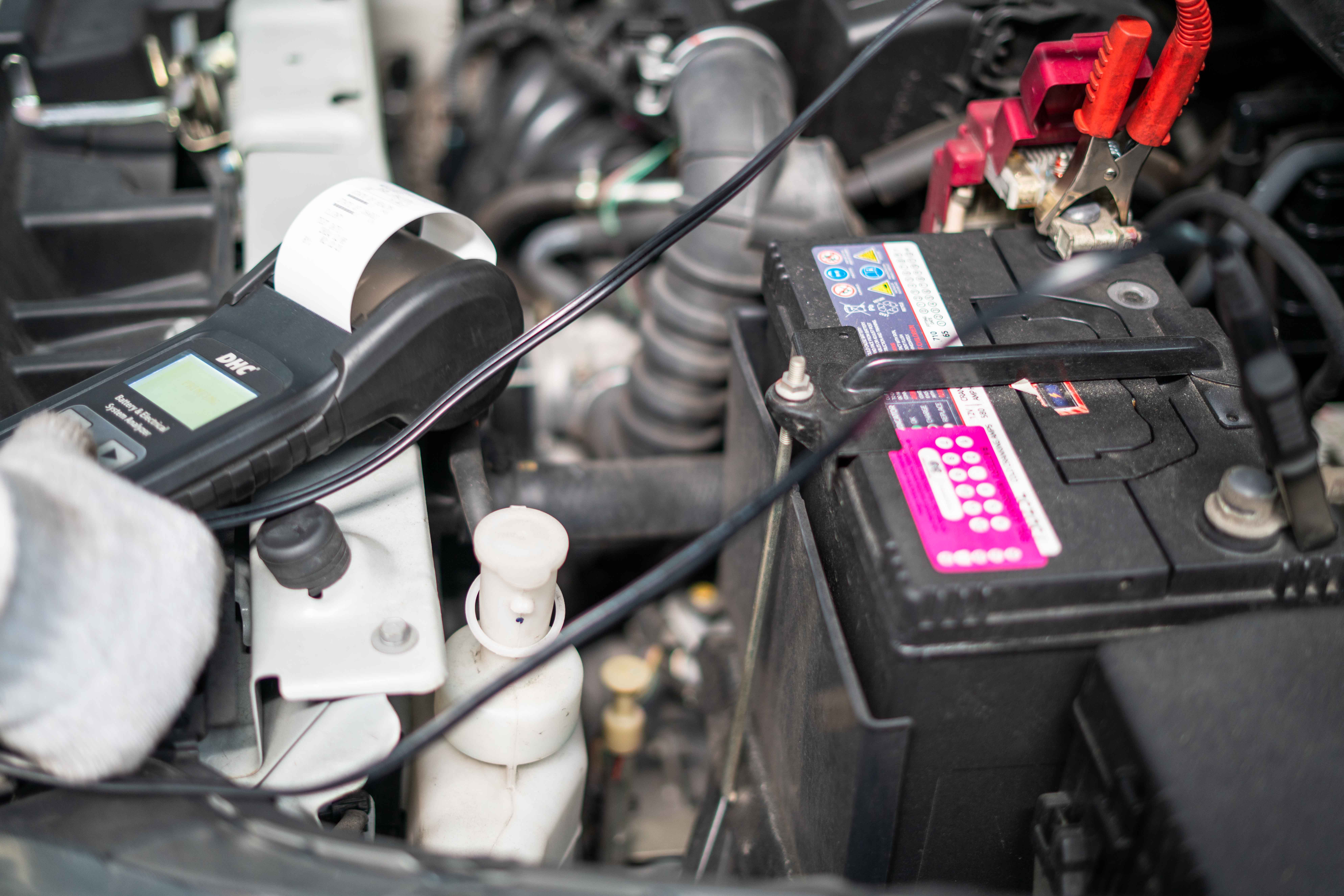
Most car batteries in Singapore last two to three years, noticeably shorter than the three-to-five-year lifespan quoted on many packaging labels, which is typically based on temperate climate testing. Singapore's heat is the primary reason. High ambient temperature accelerates the internal chemical reaction that degrades a battery's capacity over time, which means a battery rated for five years in a cooler climate may only deliver two or three years of reliable performance here.
Here is how to know when a battery is failing, what replacement costs, and why heat matters more than most drivers realise.
Why Car Batteries Wear Out Faster in Singapore
The heat problem, explained simply
A car battery generates power through a chemical reaction between lead plates and an electrolyte solution. Heat speeds up that reaction, which sounds useful until you consider that it also speeds up the corrosion and fluid evaporation that eventually kill the battery. Manufacturers typically test and rate battery lifespan under standardised, moderate temperature conditions. Singapore's year-round heat, combined with a car interior and engine bay that regularly exceed 40°C when parked, pushes batteries well past the conditions they were rated under.
Why this catches drivers off guard
Battery failure rarely happens gradually in a way drivers notice. A battery can perform normally for months while its internal capacity is quietly declining, then fail abruptly, often on a morning when the car has sat overnight and the remaining charge is not enough to start the engine. This is why battery failure is one of the most common causes of unexpected breakdown and roadside assistance calls in Singapore.
Signs Your Car Battery Needs Replacing
Slow or hesitant engine crank
If the engine takes noticeably longer to start, or the crank sounds slower and more laboured than usual, the battery is likely losing capacity. This is often the earliest warning sign and the easiest one to dismiss as a one-off.
Dimming headlights or interior lights at idle
A battery struggling to hold charge will show it first through electrical components. Headlights that dim noticeably when the engine is idling, or interior lights that seem weaker than normal, point to a battery under strain.
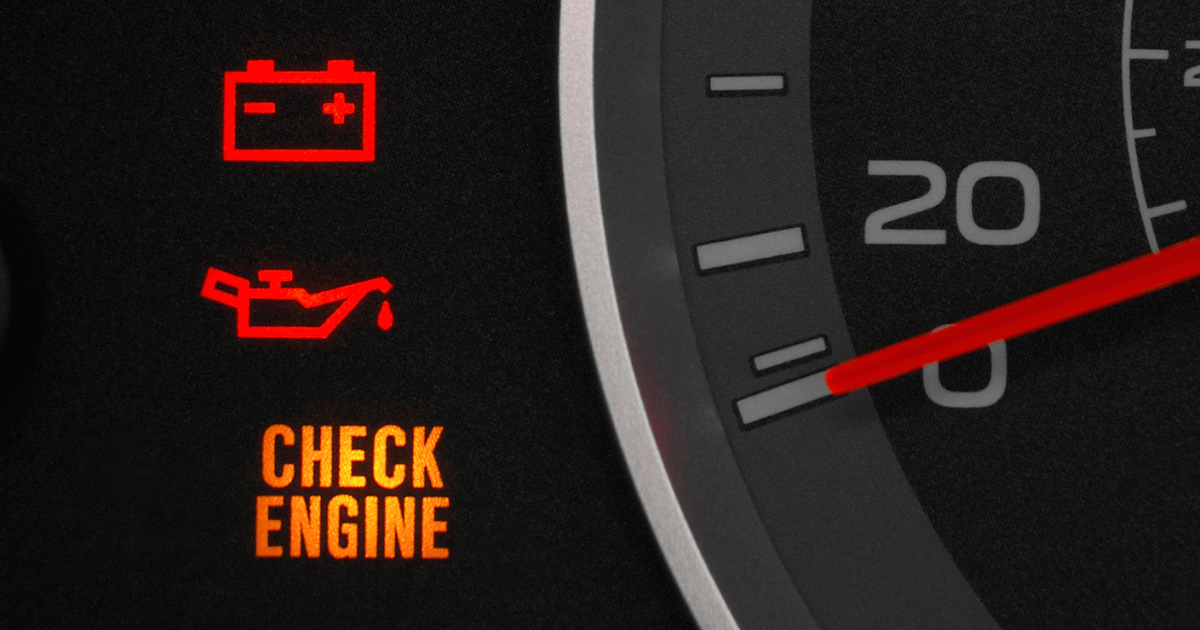
Dashboard battery warning light
Most modern cars will trigger a dashboard warning specifically for the battery or charging system. This should never be ignored, even if the car still starts normally, the warning often appears before a complete failure.
Battery age past two years
Why age alone is worth tracking
Even a battery showing no symptoms should be checked once it passes the two-year mark in Singapore. Given how heat accelerates degradation here, a battery that has not been tested in over two years carries meaningfully higher risk of unexpected failure than one that has been recently checked, regardless of how it currently performs.
Corrosion or swelling on the battery terminals
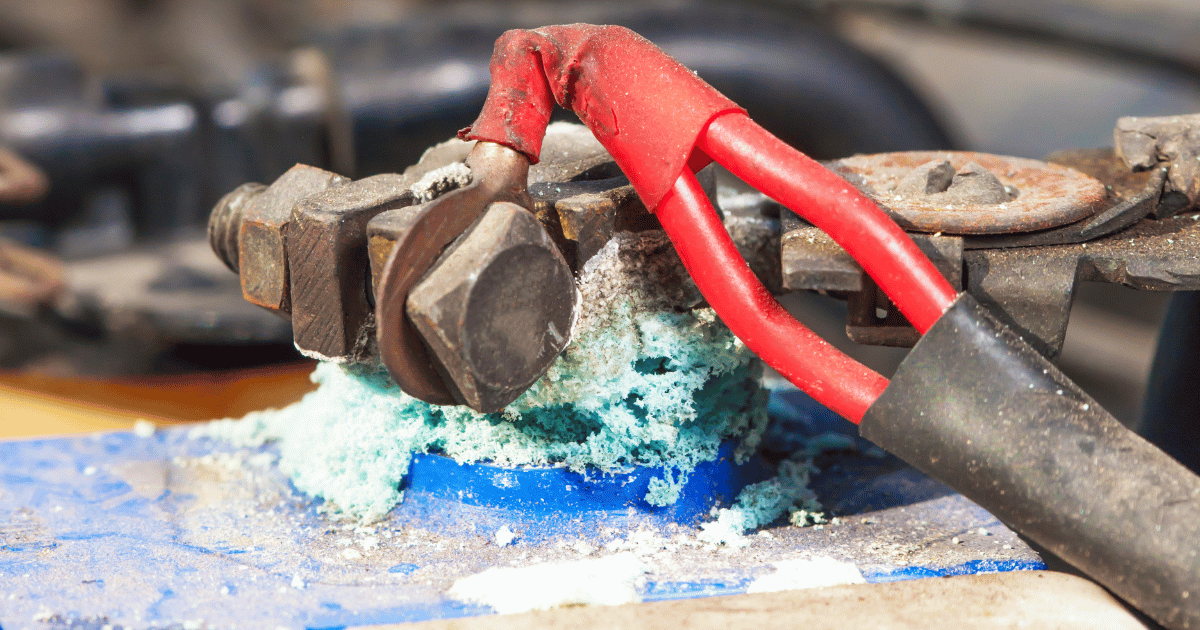
Visible white or greenish corrosion around the battery terminals, or a casing that appears swollen or misshapen, are physical signs of a battery nearing the end of its usable life and should be inspected promptly.
What Car Battery Replacement Costs in Singapore
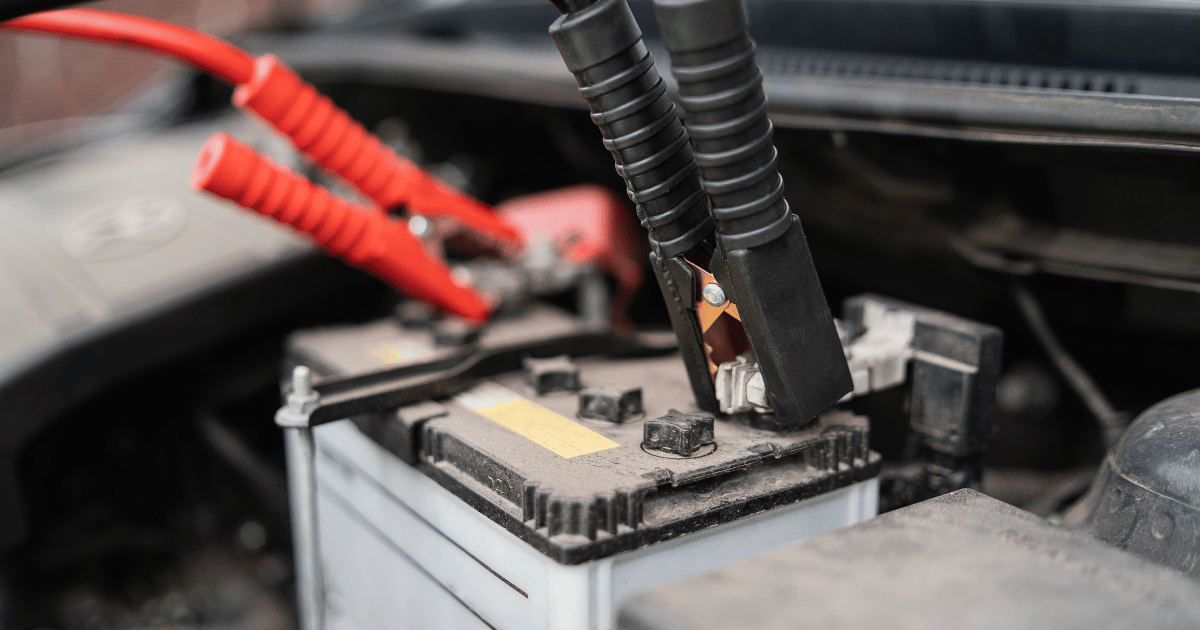
Battery replacement cost depends primarily on the battery type and your vehicle's electrical demands, not just the car's make and model.
Standard batteries for mainstream Japanese and Korean cars typically cost less to replace and are readily available across most workshops in Singapore.
AGM (Absorbent Glass Mat) batteries, commonly required for cars with start-stop technology or higher electrical loads, cost more due to their more advanced construction and higher demand tolerance.
Continental car batteries, particularly for BMW, Mercedes-Benz, and Audi models, often require specific battery registration with the car's onboard computer after replacement. Skipping this step can cause the vehicle's battery management system to misread the new battery's condition, leading to inaccurate charging behaviour over time.
At BCC, we always confirm the correct battery specification for the vehicle before replacement, using the wrong type, even one that physically fits, can affect the car's charging system and shorten the new battery's life significantly.
Does a Car Battery Affect Fuel Efficiency?
A weakening battery forces the alternator to work harder to compensate for reduced charge capacity, which places additional load on the engine. While the effect on fuel consumption is smaller than issues like tyre pressure or engine servicing, a battery in poor condition is one more factor working against efficient fuel use, worth checking as part of a broader look at reducing running costs in Singapore.
Battery Replacement at BCC Automotive Singapore
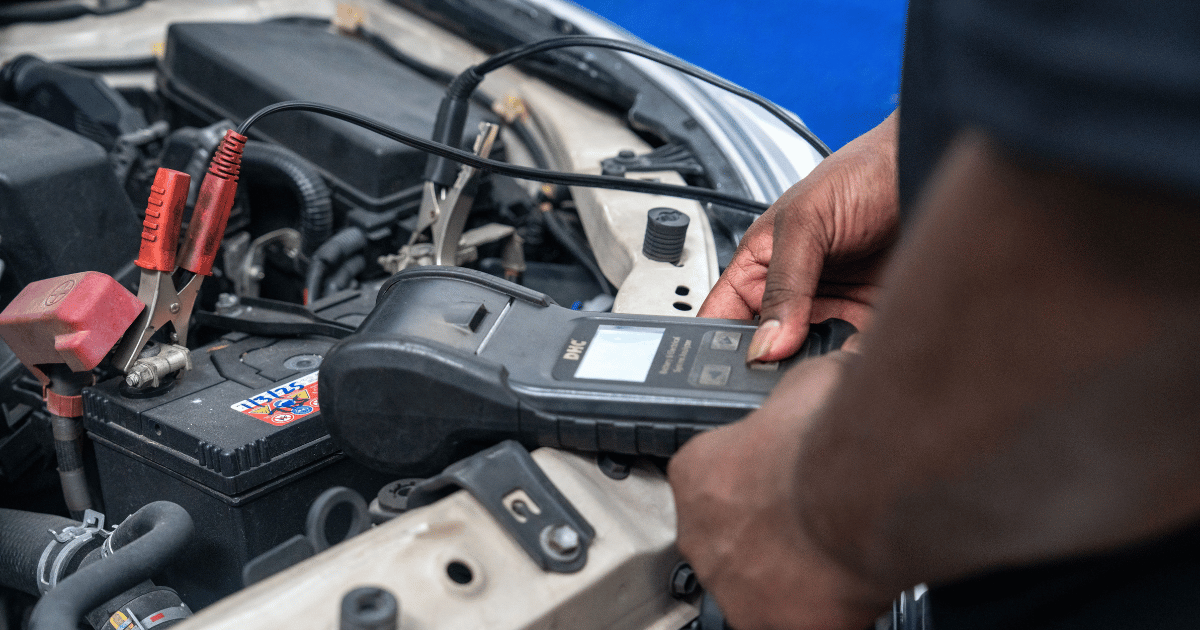
BCC Automotive tests and replaces car batteries at both Sin Ming and Toh Tuck, with the correct specification confirmed for your vehicle before any replacement is carried out. For continental cars, our team handles the battery registration process required after replacement, so the car's charging system reads the new battery correctly from day one.
If you are unsure how long your current battery has left, simply bring your car in for a servicing session at BCC Automotive.
You may also find these related posts useful:
- How often should you service your car in Singapore?
- Car diagnostics in Singapore: what it is and when you need it
- How to improve fuel efficiency in Singapore
Book a service at bcc.sg or WhatsApp our team to arrange a battery check.
Frequently Asked Questions About Car Batteries in Singapore
How long does a car battery last in Singapore?
Most car batteries in Singapore last two to three years, shorter than the three-to-five-year lifespan often quoted on packaging, which is typically based on temperate climate conditions. Singapore's consistent heat accelerates the internal chemical degradation that shortens battery life, so drivers here should plan for replacement sooner than the manufacturer's general estimate.
How do I know if my car battery is dying?
The clearest signs are a slower or more laboured engine crank when starting, dimming headlights or interior lights while the engine idles, and a dashboard battery or charging system warning light. A battery older than two years should also be tested even without symptoms, since failure can happen suddenly once capacity drops below a critical threshold.
Can I replace a car battery myself?
Physically swapping a battery is straightforward on many cars, but continental vehicles often require the new battery to be registered with the car's onboard computer for the charging system to read it correctly. Skipping this step can cause inaccurate charging behaviour and shorten the new battery's lifespan. For most drivers, having the battery tested, sized correctly, and registered by a workshop avoids this risk entirely.
Does a car battery affect fuel consumption?
Yes, to a smaller degree than factors like tyre pressure or overall servicing. A weakening battery forces the alternator to work harder to compensate, placing extra load on the engine. It is not the primary driver of fuel efficiency, but it is one more contributing factor worth checking.
What type of battery does my car need?
Battery type depends on your vehicle's electrical demands rather than just its make. Cars with start-stop technology typically require AGM batteries, while most mainstream vehicles use standard batteries. The safest approach is to have the correct specification confirmed by a workshop rather than assuming a battery that physically fits is the right one for your car's charging system.